Regional Licensing Shifts and Their Link to Holdem Cash Game Volume Trends at Affiliate Powered Sites
Written by Mia Powell · Aug 5, 2026
Regional Licensing Shifts and Their Link to Holdem Cash Game Volume Trends at Affiliate Powered Sites
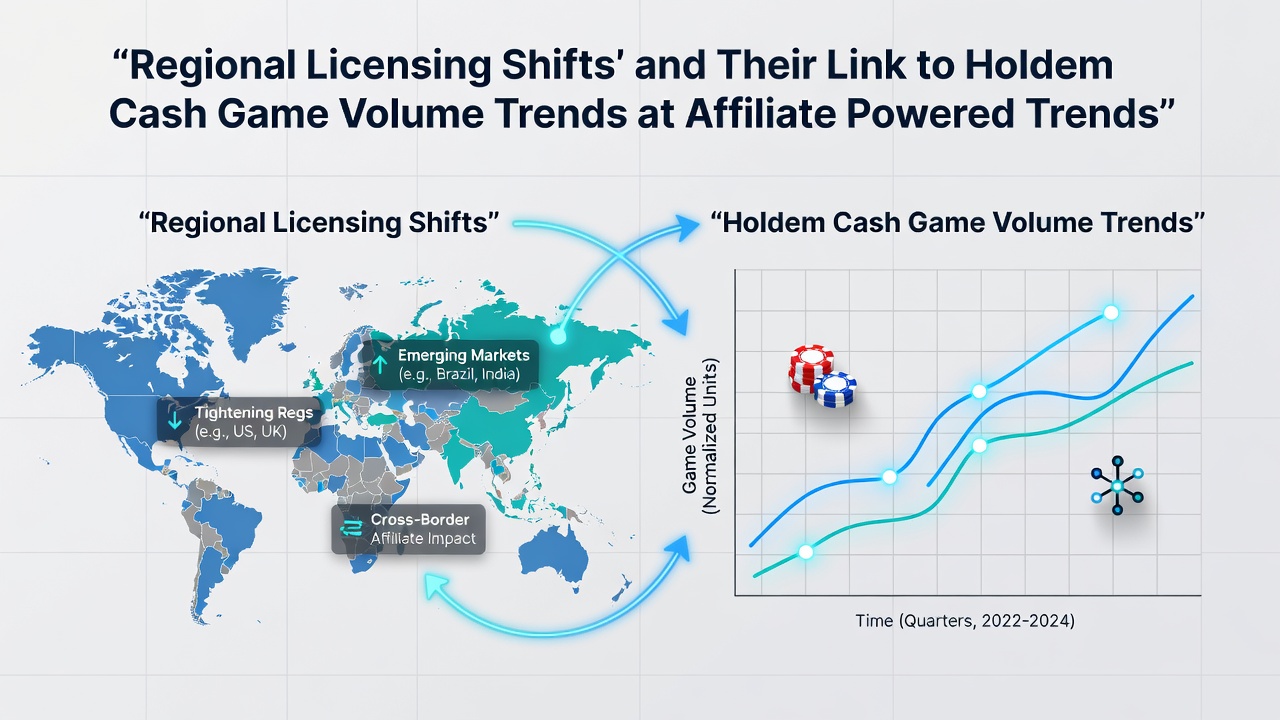
Regional licensing shifts have reshaped the landscape for Holdem cash game volumes at affiliate powered sites throughout 2026, and observers note clear connections between regulatory updates and player activity patterns. Data from multiple jurisdictions shows that when new licensing frameworks take effect, traffic often migrates toward platforms that maintain affiliate partnerships, while volumes fluctuate based on how quickly operators adapt to the updated rules. Researchers tracking these movements point to specific examples in North America and parts of Europe where changes in state or provincial approvals coincided with measurable rises or drops in ring game participation.
Key Licensing Developments Across Jurisdictions
States and provinces that introduced streamlined licensing processes in early 2026 saw affiliate powered sites gain ground in Holdem cash game offerings, because operators could launch or expand tables without lengthy approval delays. Figures released by the New Jersey Division of Gaming Enforcement in August 2026 indicated a 14 percent increase in reported online poker handle during the second quarter, with a notable portion of that growth tied to platforms using affiliate tracking systems. Meanwhile, areas that tightened entry requirements experienced slower adoption, and cash game volumes at those locations remained flat or declined as players sought alternatives in more permissive markets.
Canadian provinces followed a similar pattern after Ontario expanded its iGaming framework and British Columbia adjusted its licensing criteria. Those adjustments allowed more operators to partner with affiliate networks, and transaction data shows Holdem cash game tables filled at higher rates once the new licenses became active. Experts tracking retention metrics found that sites with integrated affiliate tools retained players longer during these transition periods, because bonus structures and loyalty rewards could be promoted across multiple channels without regulatory friction.
Volume Trends at Affiliate Powered Platforms
Holdem cash game volumes responded directly to these licensing shifts, with data indicating that platforms operating under affiliate models captured a larger share of total ring game activity in newly licensed regions. One study released in mid-2026 by researchers at the University of Nevada, Las Vegas tracked session lengths and table counts across several sites and discovered that volumes increased most sharply in states where affiliate marketing remained unrestricted. Players migrated toward those environments because promotional visibility stayed high, and operators could adjust rake structures or game offerings more quickly than in tightly controlled markets.
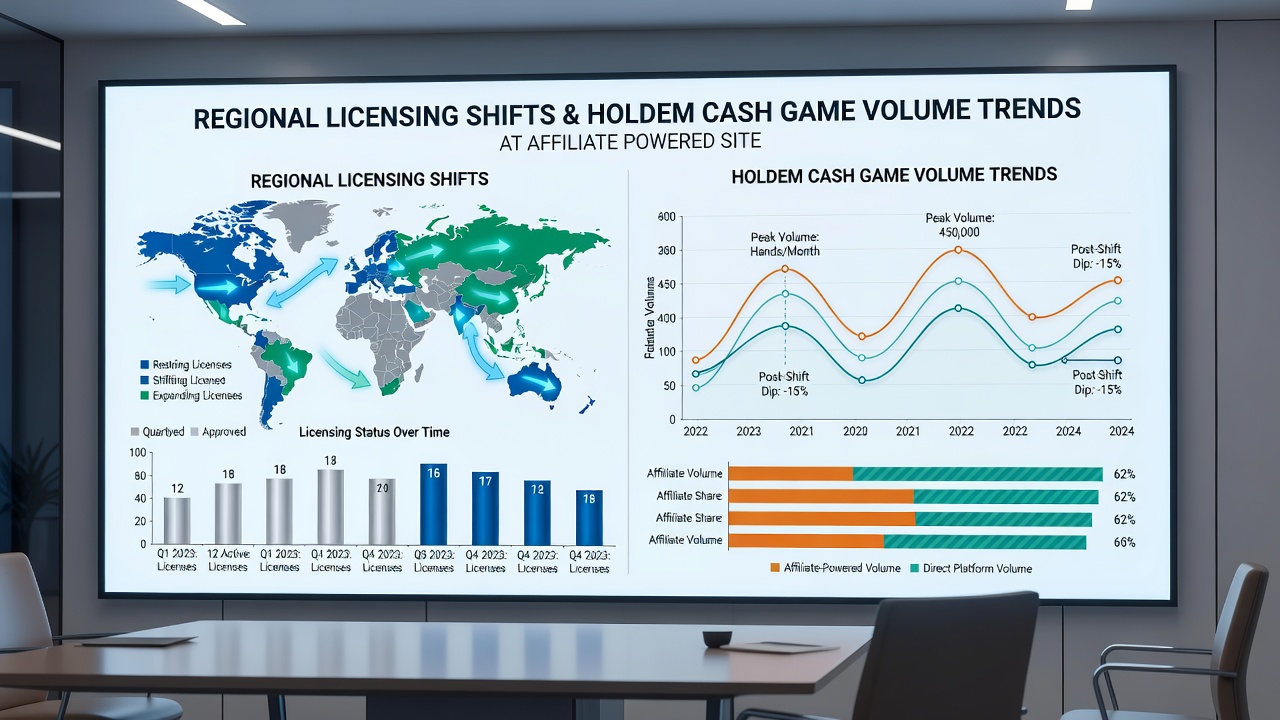
By August 2026, aggregate figures revealed that affiliate powered sites in states with recent licensing expansions hosted roughly 22 percent more active Holdem tables during peak hours compared to the same period in 2025. Observers attribute part of this rise to faster onboarding of new players through affiliate links, which reduced the time between regulatory approval and actual table availability. In contrast, jurisdictions that delayed or restricted affiliate activities saw slower volume recovery, and operators there reported longer periods of underutilized tables even after licenses were granted.
How Affiliates Influence Player Movement
Affiliate powered sites benefit from regional licensing changes because their tracking systems allow operators to target players in newly opened markets with tailored promotions. When a province or state updates its rules, affiliates can shift marketing spend toward those areas immediately, and cash game volumes often follow within weeks. Reports compiled by the Canadian Gaming Association documented this effect in Ontario, where Holdem ring game participation rose steadily after licensing criteria eased and affiliate partnerships expanded. The data shows that sites without affiliate support lagged behind in both new registrations and returning player activity during the same timeframe.
Those patterns hold in other regions as well. In parts of Australia where state-level licensing rules changed in 2025 and carried into 2026, platforms that maintained active affiliate networks recorded higher average table occupancy rates for Holdem cash games. The Victorian Commission for Gambling and Liquor Regulation published quarterly summaries noting that operators using affiliate channels adapted to new compliance requirements faster, which helped maintain consistent game volumes while competitors adjusted their operations.
Conclusion
Regional licensing shifts continue to drive measurable changes in Holdem cash game volumes at affiliate powered sites, and the connection appears strongest where regulatory updates align with flexible affiliate marketing rules. Data collected through August 2026 across multiple jurisdictions confirms that platforms able to leverage affiliate networks respond more rapidly to new licensing conditions, resulting in quicker volume gains. Those who have followed these trends note that the relationship between licensing frameworks and cash game activity remains dynamic, with further shifts expected as additional regions finalize their regulatory approaches.