Patterns of Participation in Multi-Player Card Competitions Influenced by Holiday Promotions at Entertainment Complexes
Written by Cameron Albrecht · Aug 12, 2026
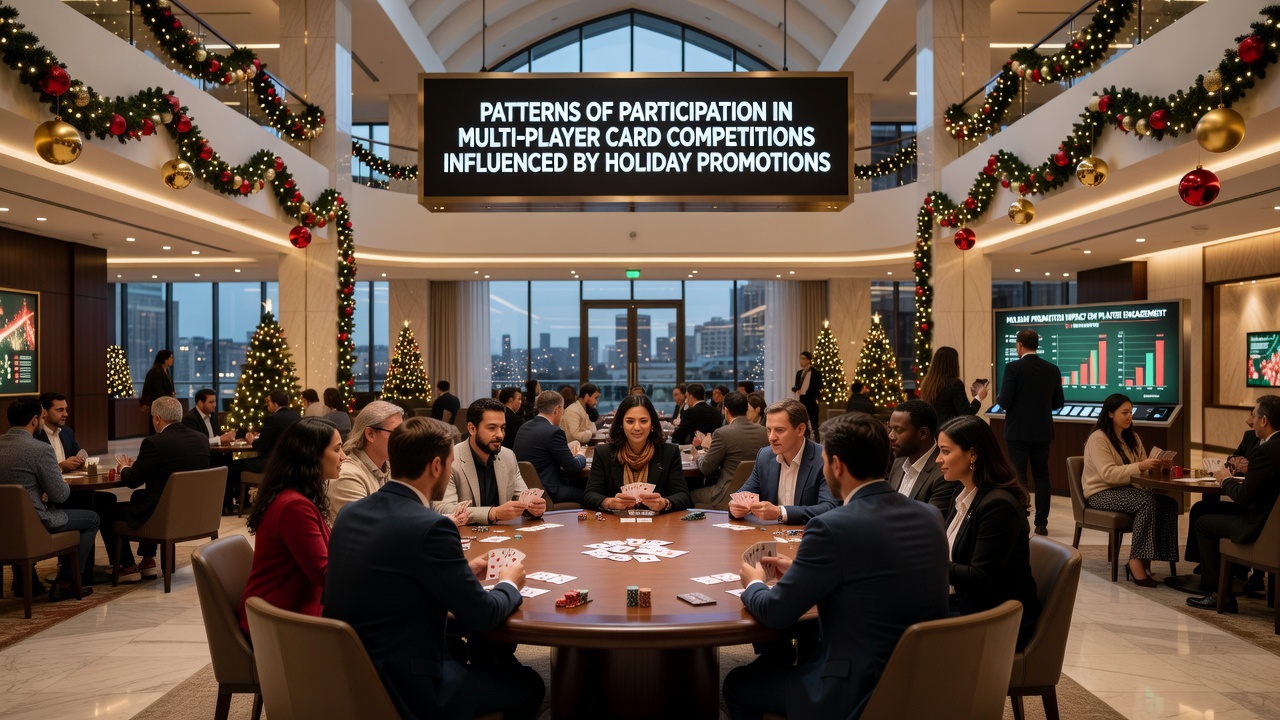
Patterns of Participation in Multi-Player Card Competitions Influenced by Holiday Promotions at Entertainment Complexes
Entertainment complexes across multiple regions report distinct shifts in attendance patterns for multi-player card competitions when holiday promotions activate, and these changes appear tied to specific incentive structures rather than general seasonal travel alone. Data from integrated resorts shows increased registration volumes for events like blackjack tournaments and rummy series during periods that coincide with targeted bonus offers, free-play credits, and tiered loyalty rewards.
Holiday Promotion Structures and Entry Patterns
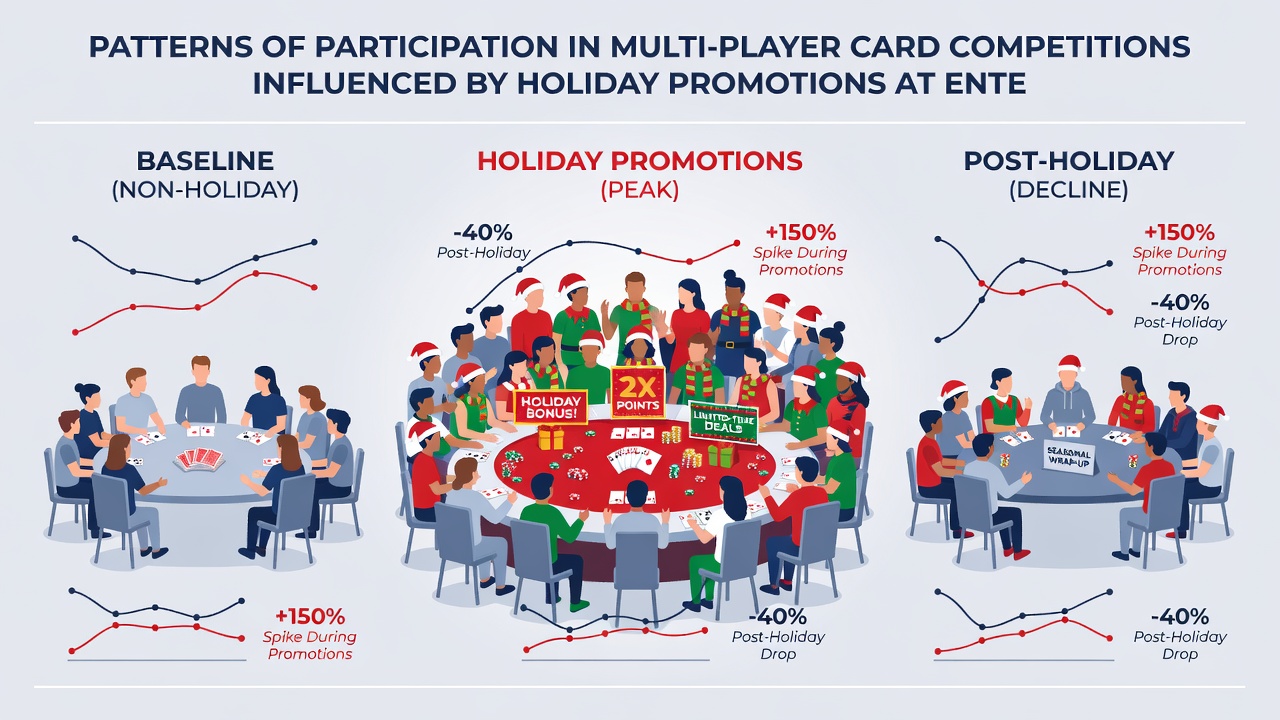
Promotions typically bundle entry fees with hotel stays or dining credits, which correlates with higher participation from out-of-region visitors who combine travel plans with competition schedules. Figures from the Nevada Gaming Control Board indicate that December events at major properties draw 18 to 25 percent more multi-table entrants compared with non-holiday months, while similar patterns emerge in Australian venues tracked by state gaming authorities. Those who study these cycles note that early-bird discounts and multiplier rewards for repeat entries create measurable spikes in pre-holiday sign-ups, often beginning in late October.
Geographic and Demographic Shifts During Peak Periods
Participation data reveals that domestic travelers from nearby states increase their presence at complexes offering bundled promotions, whereas international visitors respond more strongly to loyalty-point accelerators that apply across card rooms and slot floors. Research compiled by the Australian Gambling Research Centre highlights how families traveling during school breaks contribute to afternoon session attendance, whereas evening tournaments attract working professionals drawn by cash-back guarantees. Observers note that complexes located near major airports record the sharpest rises in same-day registrations when promotions include airport shuttle credits or expedited seating.
August 2026 schedules at several North American properties already list extended holiday-adjacent series that begin in late July and run through Labor Day, creating overlapping incentive windows that blend summer travel with early holiday marketing. These extended calendars produce sustained entry levels rather than single-week surges, according to internal resort analytics shared with industry analysts.
Retention and Repeat Entry Behaviors
Complexes that layer holiday promotions across multiple card formats see elevated repeat participation from the same cohort of players within a single visit cycle. Tracking studies conducted at Singapore properties operated under the Casino Regulatory Authority show that guests who enter one promoted event frequently register for secondary competitions when additional free-play vouchers become available upon reaching certain point thresholds. This chaining effect extends average length of stay by 1.4 nights during peak promotional windows, while also increasing cross-property movement when affiliated venues share reward ecosystems.
But here's the thing: not every promotion type produces uniform results across demographics. Senior-focused events that include meal vouchers draw steadier afternoon attendance, whereas high-stakes holiday freerolls attract younger professionals who cluster around specific prize-pool thresholds. Data indicates these distinctions hold across both land-based complexes and hybrid online qualifiers that feed into on-site finals.
Operational Adjustments at Entertainment Complexes
Resort operators respond to these patterns by adjusting table allocations and staffing schedules weeks in advance, often expanding card room capacity during the first two weeks of December and the week surrounding New Year’s Eve. Coordination with transportation partners and nearby convention centers further supports the influx, particularly when promotions require proof of attendance at partnered events. Industry reports from the National Council on Problem Gambling note that complexes increasingly publish real-time entry counters online to help participants plan arrival times and avoid overflow periods.
What's interesting is how these operational changes feed back into participation data, creating self-reinforcing cycles where visible crowd levels encourage additional last-minute entries from walk-up guests. Complexes that publish historical entry graphs alongside current promotions record measurable lifts in spontaneous registrations compared with venues that keep such information internal.
Conclusion
Patterns of participation in multi-player card competitions continue to reflect the timing, structure, and bundling of holiday promotions at entertainment complexes. Available figures from regulatory bodies and research institutions demonstrate consistent correlations between specific incentive designs and shifts in attendance volume, demographic composition, and repeat-entry frequency. As complexes refine their calendars for periods such as August 2026 onward, these documented relationships provide the basis for predicting how future promotions may influence player movement and engagement across card competition formats.