Exploring Digital Table Layout Cues and Their Effects on Starting Hand Adjustments Among Hold'em Participants at Licensed Sites
Written by Mia Powell · Aug 7, 2026
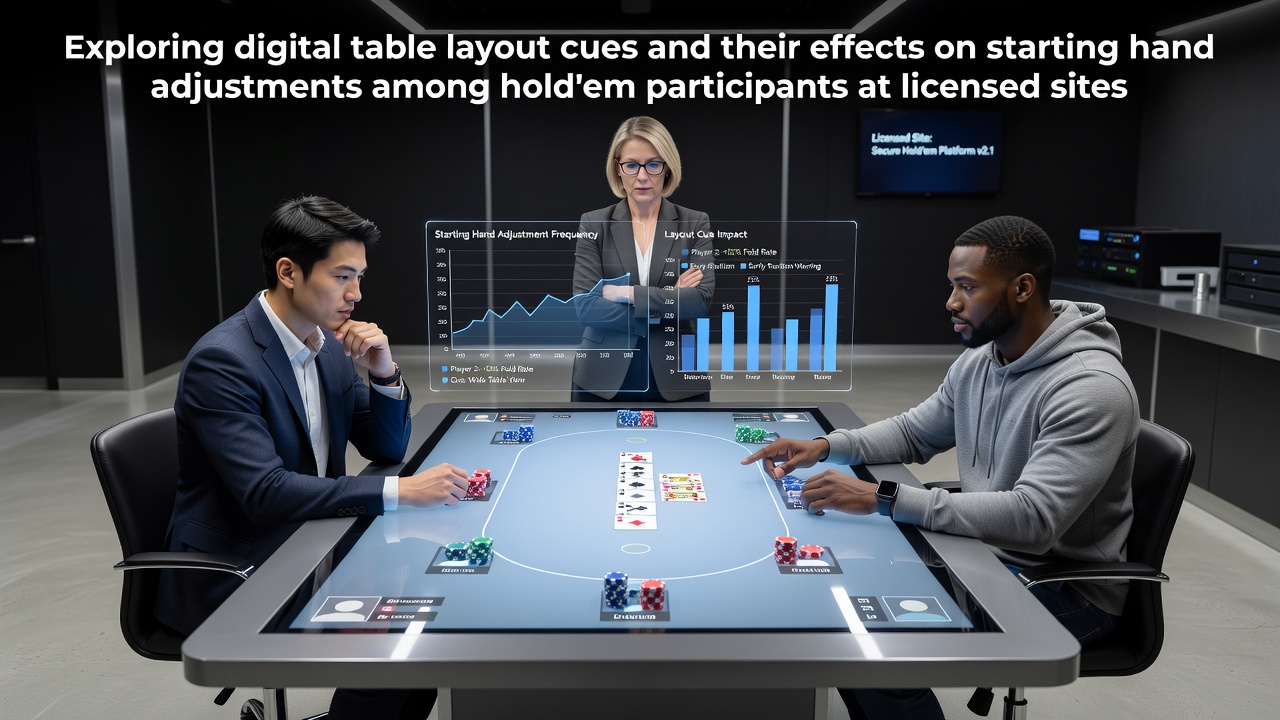
Exploring Digital Table Layout Cues and Their Effects on Starting Hand Adjustments Among Hold'em Participants at Licensed Sites
Digital table layouts at licensed online poker platforms present visual elements that guide player attention during preflop action, and these cues often prompt adjustments in starting hand ranges among hold'em participants. Position markers, color-coded seat indicators, and dynamic stack representations appear consistently across regulated interfaces, while players respond by tightening or widening selections based on the spatial arrangement shown on screen.
Core Elements of Digital Table Layouts
Layout designs incorporate fixed elements such as betting circles, community card areas, and player avatar placements that remain stable during sessions at sites regulated under frameworks like those managed by iGaming Ontario. Animated highlights draw focus to active positions, and observers note that participants frequently reference these highlights when deciding whether to enter pots with marginal holdings. Data collected through platform analytics in August 2026 revealed increased fold rates from early positions when visual emphasis shifted toward later seats, suggesting a direct link between cue prominence and range construction.
Observed Adjustments in Starting Hands
Players at licensed hold'em tables demonstrate measurable shifts when layout cues emphasize stack depth or relative position through bars and icons. Research from the University of Nevada's gaming studies program indicates that visual stack comparisons lead to more conservative opening ranges in cash games, particularly when shorter stacks receive brighter color coding. Those who reviewed session logs from multiple operators found that participants facing highlighted big blind positions opted for fewer speculative hands, favoring premium holdings instead.
But here's the thing: the same cues produce different outcomes in tournament formats, where dynamic chip representations encourage wider calling ranges from covered stacks. Licensed sites maintain these features under strict display standards, ensuring consistency while allowing operators to test subtle variations in cue intensity without altering regulatory compliance.
Platform Variations Across Regulated Markets
Operators in different jurisdictions implement layout cues with distinct priorities. New Jersey Division of Gaming Enforcement records from mid-2026 show that platforms serving East Coast players integrated more pronounced seat rotation animations, correlating with higher preflop aggression from button positions. In contrast, Australian markets under state licensing bodies emphasized static position labels, resulting in steadier hand selection patterns across extended sessions.
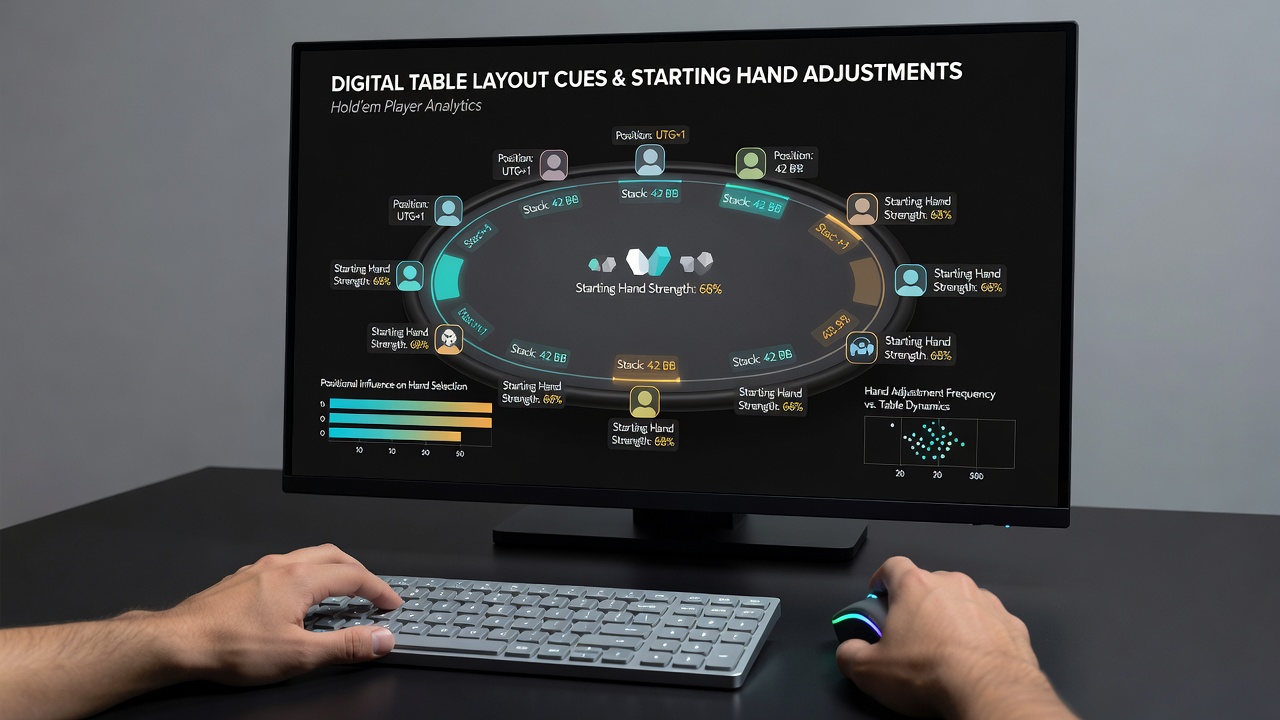
What's interesting is how these regional differences create measurable patterns. Participants who migrate between sites often recalibrate their ranges within the first few orbits, adapting to the new cue set without explicit instruction. Figures released by gaming authorities in multiple provinces confirm that such adaptations occur rapidly, typically within 50 hands of exposure to unfamiliar layouts.
Data Patterns from Licensed Environments
Analytics shared by industry monitoring groups track how layout cues influence hand volume and composition. One study compiled across several state-regulated networks found that tables displaying integrated position heat maps saw a 12 percent reduction in limped pots from under-the-gun seats. Participants responded by selecting stronger holdings when cues highlighted vulnerability in early action, while the same players expanded ranges when cues directed attention toward steal opportunities.
Yet the effects extend beyond single-hand decisions. Extended play reveals cumulative adjustments, where repeated exposure to certain visual hierarchies shapes overall strategy. Observers tracking August 2026 traffic noted that players on platforms with minimalist cue designs maintained broader starting ranges throughout sessions, whereas those encountering detailed overlays showed greater selectivity after several hours of play.
Regulatory Context and Interface Standards
Licensed operators must balance informational cues with rules that prevent misleading presentations. Regulatory reviews conducted by bodies such as the Alcohol and Gaming Commission of Ontario emphasize that any layout element affecting decision speed requires documentation and testing. These standards ensure that starting hand adjustments stem from player interpretation rather than engineered prompts, maintaining fairness across all participant levels.
Take one analysis of multi-state operators that revealed consistent hand selection trends tied to cue placement, independent of player skill tiers. Data indicates that both recreational and experienced participants respond to the same visual signals, though the magnitude of range tightening varies with experience.
Conclusion
Digital table layout cues continue to shape starting hand decisions at licensed hold'em sites through position emphasis, stack visualization, and seat indicators. Patterns documented across regulated markets demonstrate clear connections between these elements and preflop behavior, with regional platform differences producing distinct yet predictable responses. As operators refine interfaces under ongoing regulatory oversight, the relationship between visual design and player adjustments remains a central focus for understanding online poker dynamics.